Japanese vs European Stainless Steel Pipes is a critical topic for industries, contractors, and global buyers seeking reliable piping solutions. Whether you’re sourcing materials for infrastructure, oil & gas, or construction projects in regions like the UAE, understanding the differences in quality, standards, and performance is essential.
This guide offers a clear and practical quality comparison of stainless steel pipes Japan vs Europe, helping both domestic and international audiences make informed decisions. We also explore their relevance in high-standard markets, including ADNOC approved pipes UAE requirements.
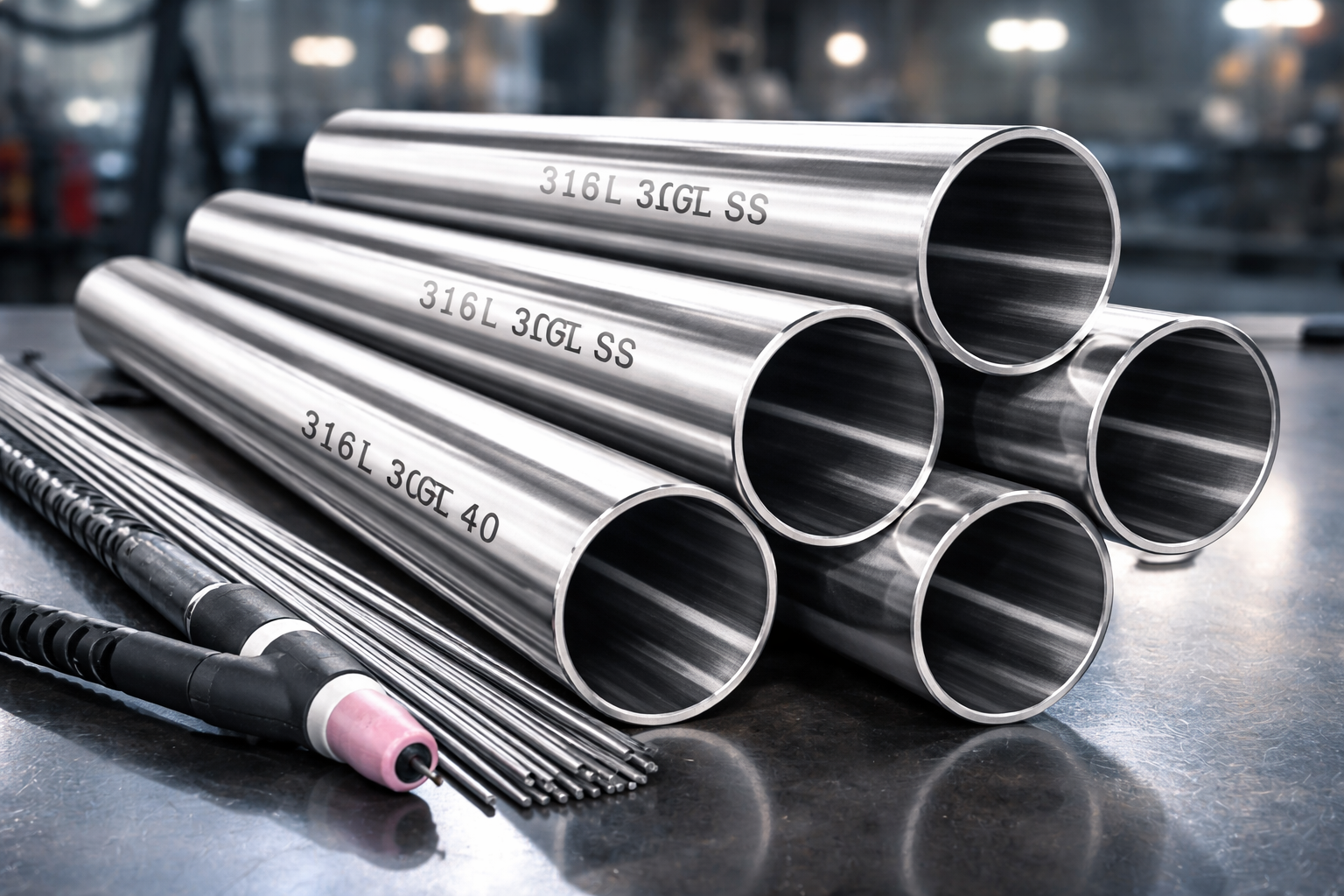
Understanding Stainless Steel Pipes
Stainless steel pipes are widely used due to their:
- Corrosion resistance
- High durability
- Temperature tolerance
- Low maintenance
They are essential in industries like:
- Oil & Gas
- Construction
- Marine
- Food Processing
The choice between Japanese and European pipes often comes down to quality standards, manufacturing precision, and compliance.
Overview of Japanese Stainless Steel Pipes
Japan is globally known for precision engineering and consistent quality control.
Key Features
- Advanced manufacturing technology
- Strict quality inspection systems
- Uniform material composition
- High resistance to corrosion and pressure
Standards Followed
Japanese pipes typically adhere to:
- JIS (Japanese Industrial Standards)
- ISO certifications
Strengths
- Exceptional finishing and smoothness
- Long lifespan
- Reliable performance in extreme conditions
Use Cases
- High-tech industries
- Chemical plants
- Offshore projects
Overview of European Stainless Steel Pipes
European manufacturers are known for engineering excellence and regulatory compliance.
Key Features
- Strict adherence to environmental and safety regulations
- High-grade raw materials
- Advanced testing procedures
Standards Followed
European pipes comply with:
- EN (European Norms)
- DIN standards
- ASTM (in some export cases)
Strengths
- Strong structural integrity
- Wide range of grades and specifications
- Sustainable manufacturing practices
Use Cases
- Infrastructure projects
- Energy sector
- Water treatment systems
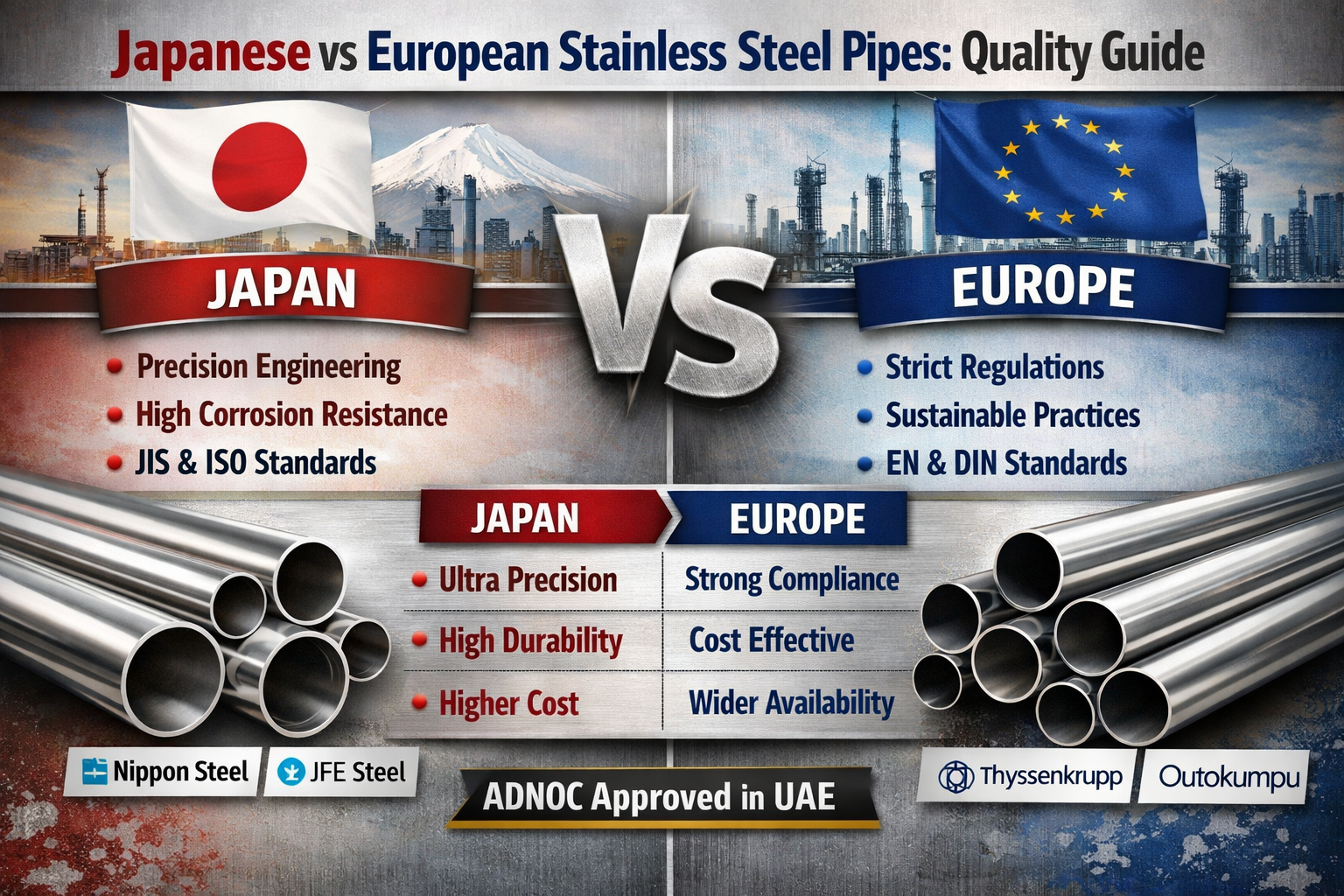
Quality Comparison of Stainless Steel Pipes Japan vs Europe
1. Manufacturing Precision
- Japanese pipes: Known for ultra-precise manufacturing with minimal defects
- European pipes: High precision, but slightly more flexible in tolerances
- Verdict: Japan leads in precision.
2. Material Quality
- Japanese pipes: Highly consistent alloy composition
- European pipes: Premium materials with a focus on sustainability
Verdict: Both are high-quality; Japan excels in consistency, Europe in eco-conscious sourcing.
3. Durability and Performance
- Japanese pipes: Excellent for high-pressure and corrosive environments
- European pipes: Strong and reliable across varied applications
Verdict: Equal performance with slight advantage to Japan in extreme conditions.
4. Compliance and Certification
- Japanese pipes: Strong adherence to JIS and global standards
- European pipes: Extensive certifications (EN, DIN, ISO)
Verdict: Europe leads in regulatory diversity.
5. Cost and Availability
- Japanese pipes: Generally higher cost due to precision engineering
- European pipes: More competitive pricing and wider availability
Verdict: Europe offers better cost flexibility.
Best Stainless Steel Pipe Manufacturers in Japan and Europe
Japan
- Nippon Steel
- JFE Steel Corporation
- Sumitomo Metal Industries
Europe
- Outokumpu (Finland)
- Sandvik Materials Technology (Sweden)
- Thyssenkrupp (Germany)
These brands are often recognized among the best stainless steel pipe manufacturers in Japan and Europe due to their consistent quality and global presence.
Relevance to ADNOC Approved Pipes UAE
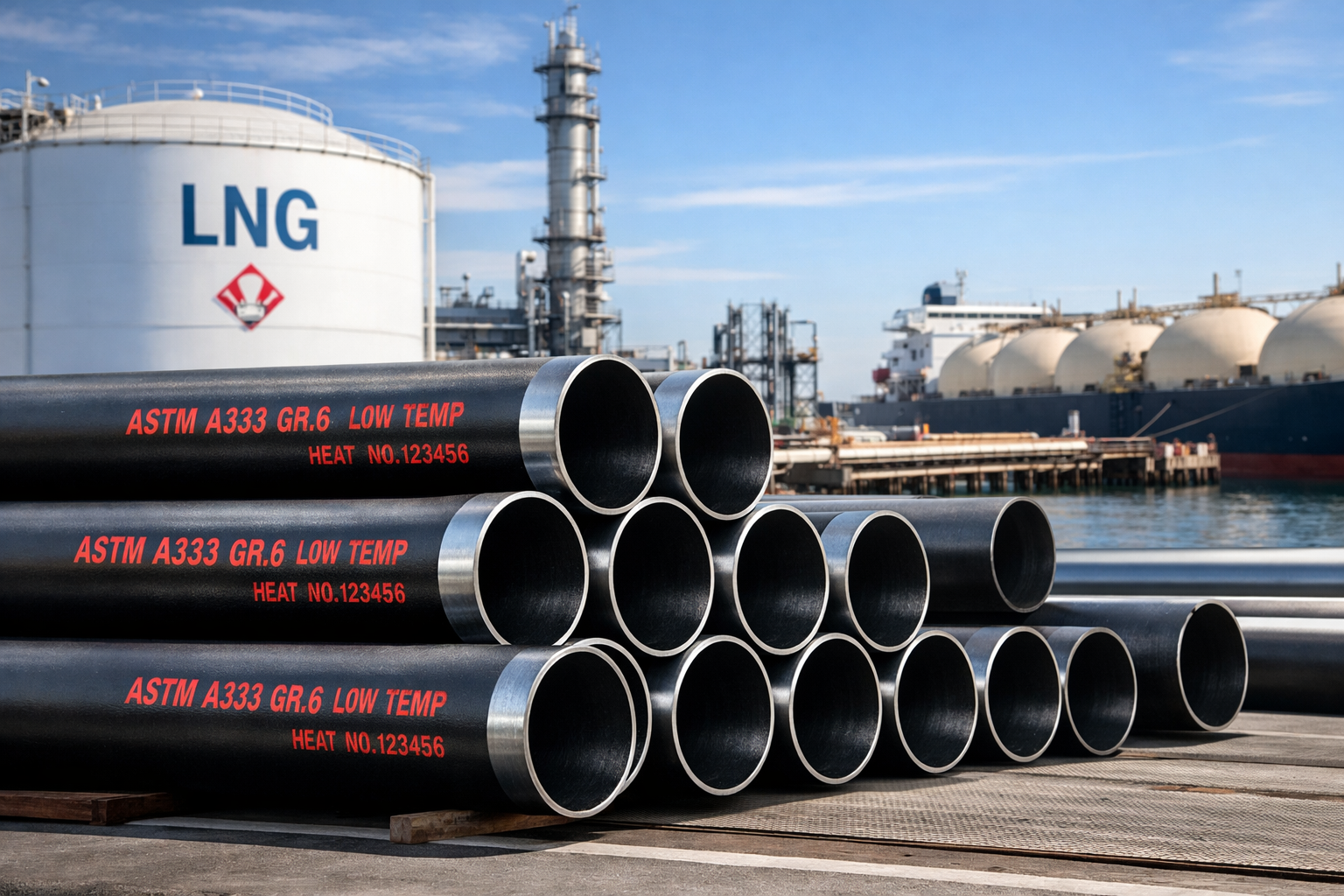
For projects in the UAE, especially oil & gas, ADNOC approved pipes UAE must meet strict quality and safety standards.
Why This Comparison Matters
- Japanese pipes are preferred for high-risk, high-performance environments
- European pipes are chosen for compliance and cost efficiency
Key Considerations
- Certification compliance (ISO, ASTM, EN)
- Corrosion resistance in desert and offshore conditions
- Supplier reputation and traceability
Both Japanese and European pipes can meet ADNOC requirements when sourced from certified manufacturers.
Which One Should You Choose?
Choose Japanese Pipes If You Need:
- Extreme precision
- High-performance reliability
- Long-term durability in harsh environments
Choose European Pipes If You Need:
- Cost-effective solutions
- Wide range of specifications
- Strong regulatory compliance
Conclusion
Japanese vs European Stainless Steel Pipes is not about which is universally better—but which is better for your specific project.
- Japan excels in precision and consistency
- Europe stands out in compliance and versatility
For global buyers and industries, especially those targeting ADNOC approved pipes UAE, both options offer excellent quality when sourced correctly.By understanding this quality comparison of stainless steel pipes Japan vs Europe, you can confidently select the right solution for performance, safety, and cost-efficiency.