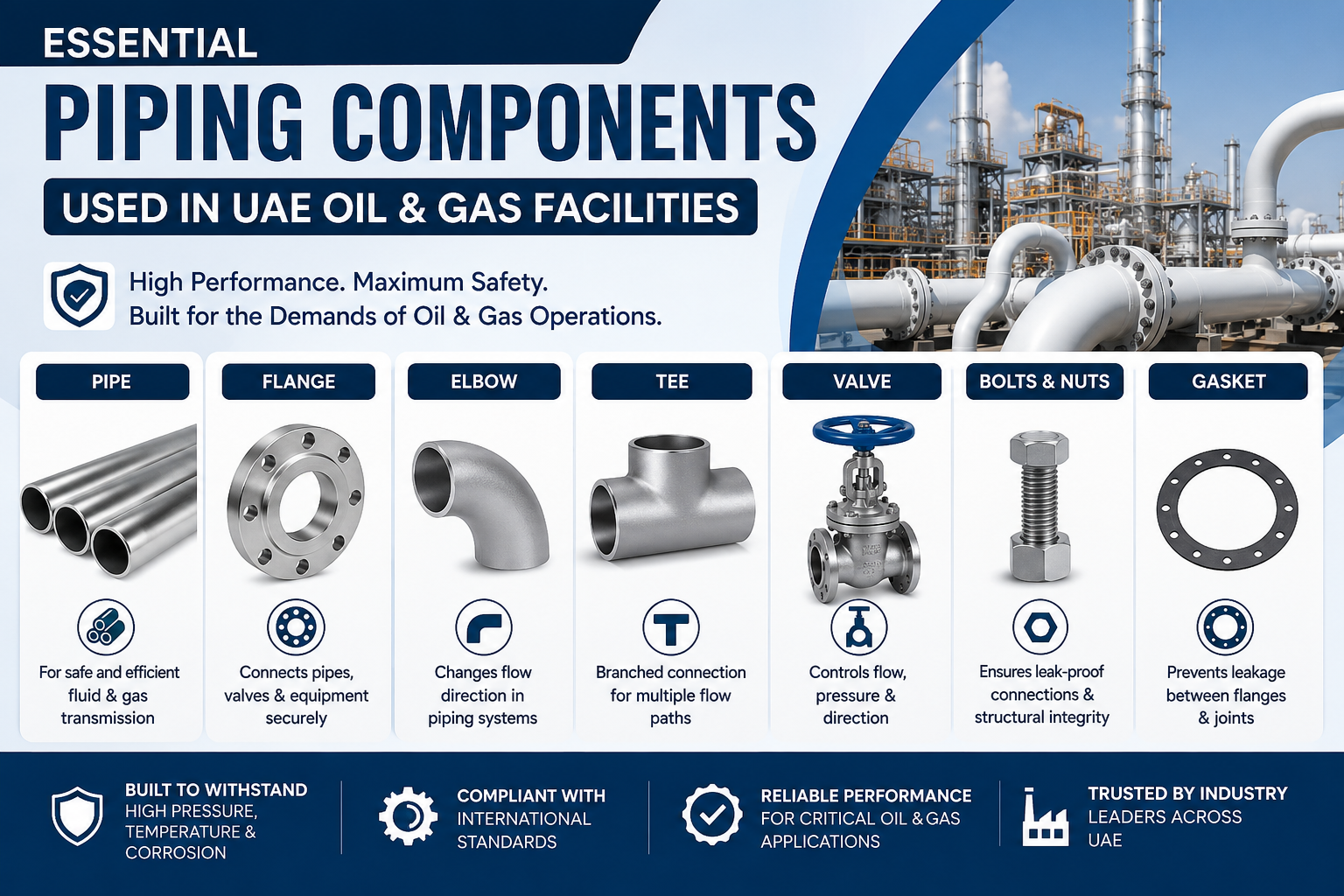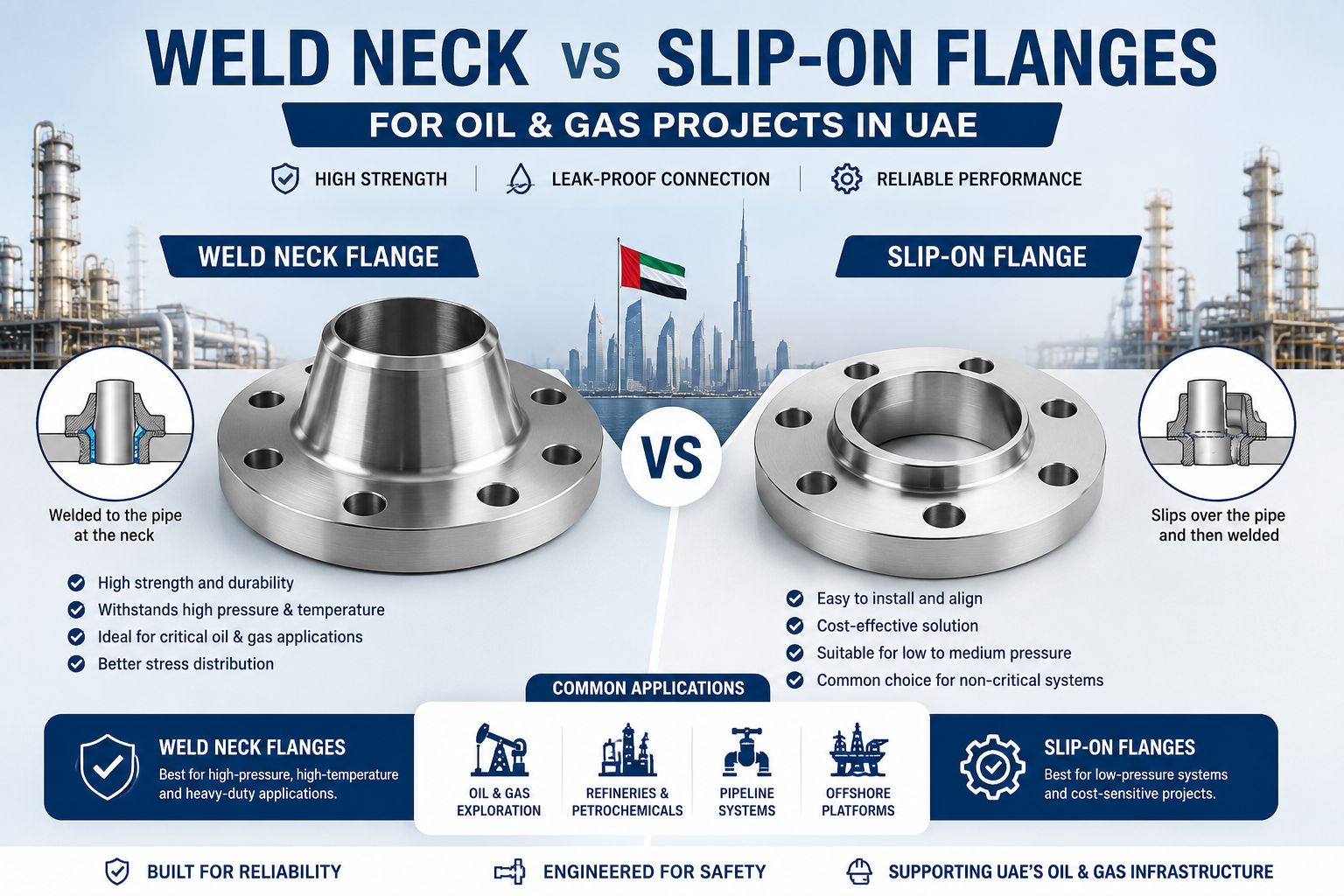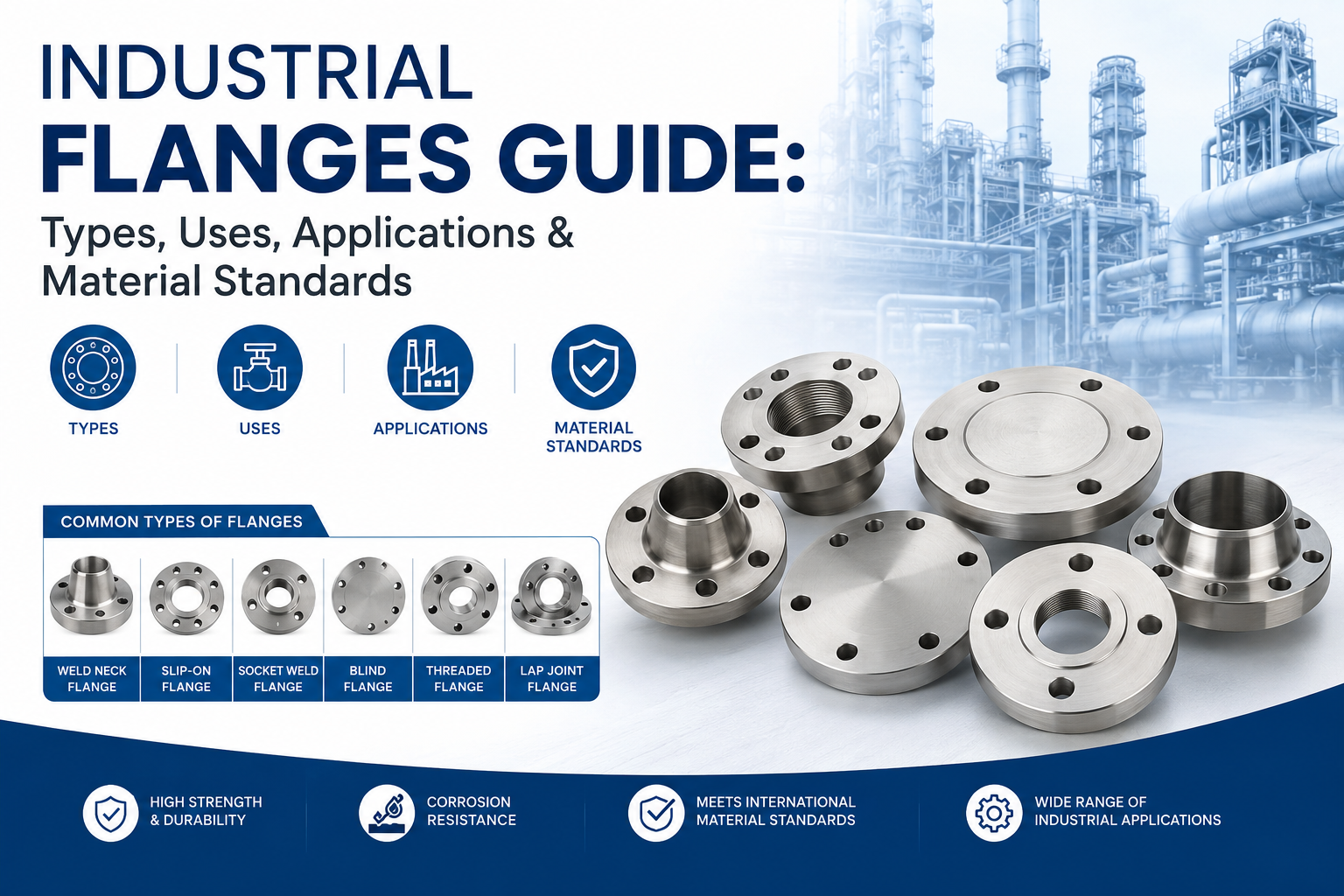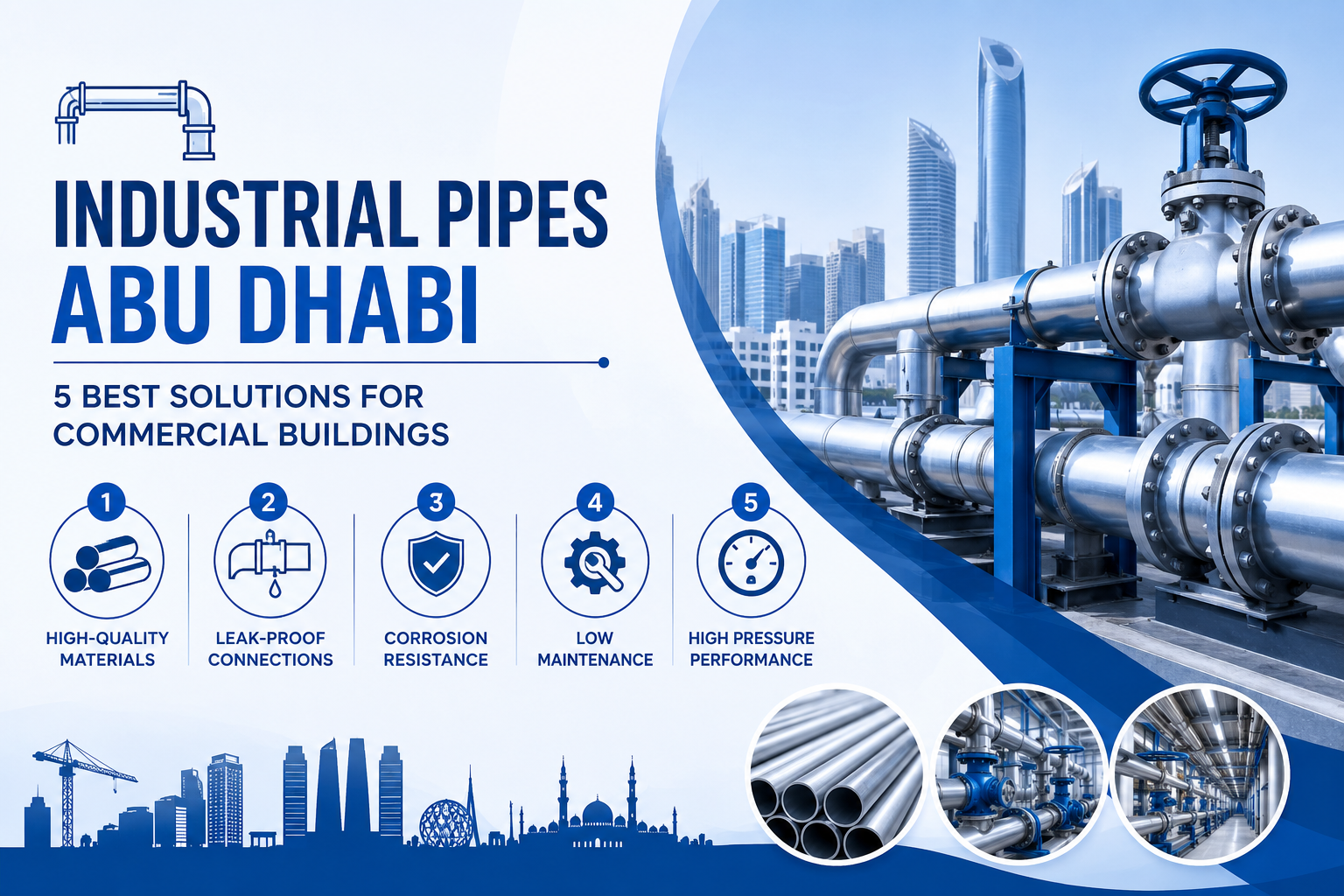
Choosing the wrong valve doesn’t just cost you money — it can compromise flow control, safety, and system reliability for years. That’s exactly why the Ball Valve vs Gate Valve decision deserves more thought than simply picking whatever’s in stock.
Both valve types serve the same basic purpose — controlling or stopping fluid flow — but they operate differently, perform differently under pressure, and suit very different applications across industrial, plumbing, and oil and gas systems in the UAE.
This guide breaks down exactly how these two valve types compare, so you can specify the right one for your project with confidence.
Understanding the Core Difference Between Ball Valve and Gate Valve
Before diving into applications, it’s worth understanding the fundamental difference between ball valve and gate valve at a mechanical level.
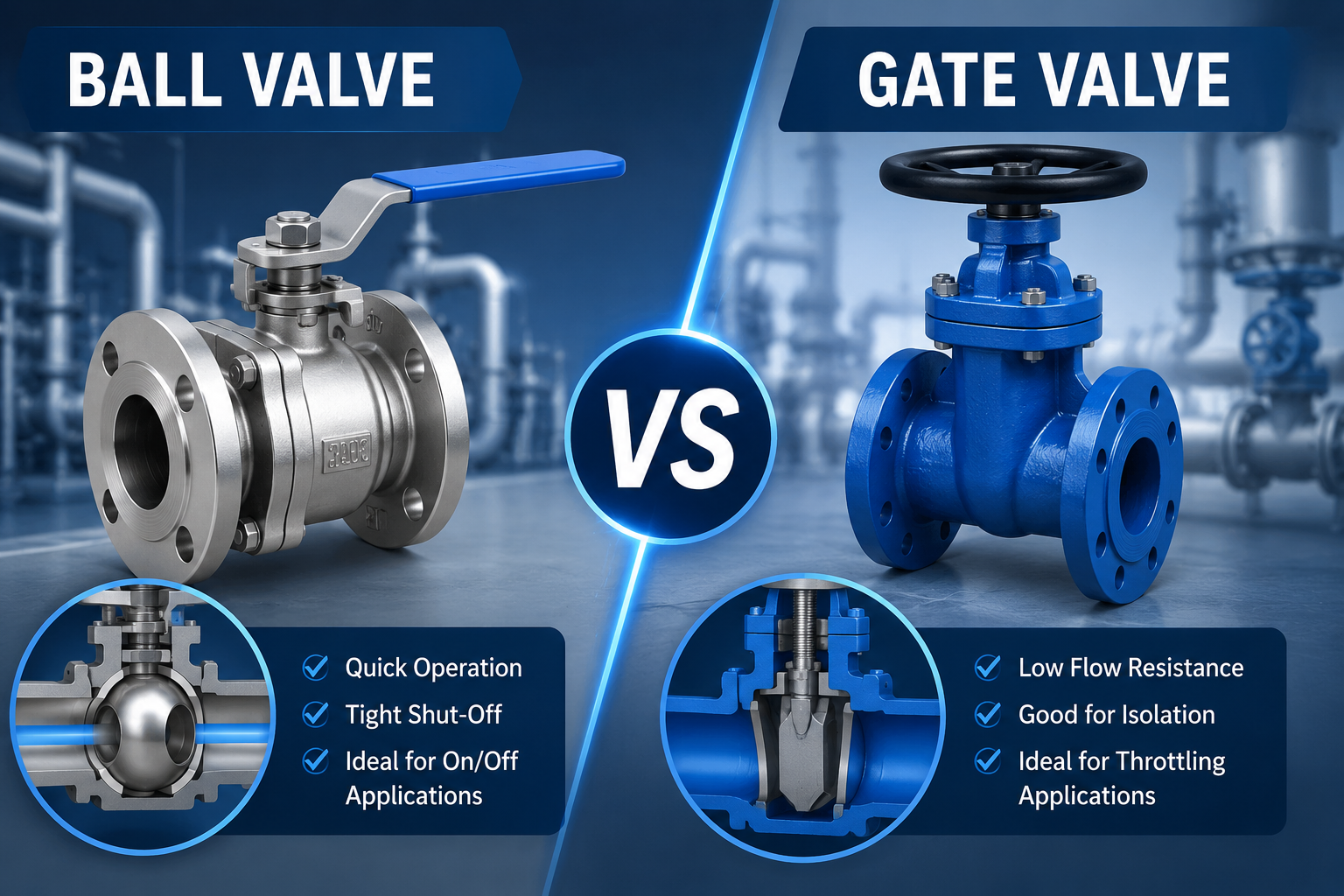
A ball valve uses a rotating sphere with a bore through its center — turning the handle a quarter turn either aligns the bore with flow (open) or blocks it (closed). A gate valve, by contrast, uses a flat gate or wedge that lowers into the flow path, requiring multiple handle rotations to fully open or close.
This mechanical difference drives nearly every practical distinction between the two valve types, from operating speed to maintenance requirements.
Quarter Turn Valve vs Multi Turn Valve: Operating Mechanism Explained
Understanding quarter turn valve vs multi turn valve operation is essential for selecting the right valve for your specific application speed requirements.
Ball Valves: Quarter-Turn Operation
A 90-degree rotation fully opens or closes a ball valve, making it ideal for applications requiring fast, frequent shutoff — such as emergency isolation or automated control systems.
Gate Valves: Multi-Turn Operation
Gate valves require several full rotations of the handwheel to travel from fully open to fully closed. This slower operation actually offers an advantage: it prevents water hammer, a pressure surge that can damage piping when flow stops too abruptly.
Ball Valve Applications: Where This Design Excels
Understanding common ball valve applications helps clarify where this valve type genuinely outperforms alternatives.
Best Suited For:
- Frequent on/off cycling operations
- Compressed air and gas systems
- Applications requiring quick emergency shutoff
- Systems with space constraints (compact valve body design)
- Automated and remotely actuated control systems
Ball valves are especially popular in facilities requiring rapid isolation, since operators can shut off flow in a single quarter-turn motion without needing precise flow throttling.
Gate Valve Applications: Where This Design Excels
Meanwhile, gate valve applications typically center on scenarios prioritizing full, unobstructed flow rather than frequent cycling.
Best Suited For:
- Main water distribution lines requiring occasional full shutoff
- Large-diameter piping in municipal and industrial systems
- Applications where minimal pressure drop is critical
- Systems where the valve remains fully open or fully closed for extended periods
Gate valves are rarely used for throttling flow — partially opening a gate valve causes turbulence and accelerated wear on the sealing surfaces, shortening its service life significantly.
Ball Valve vs Gate Valve Flow Control: A Critical Distinction
One of the most important factors in the ball valve vs gate valve flow control comparison is throttling capability — the ability to partially restrict flow rather than simply stopping or allowing it.
Flow Control Comparison
| Factor | Ball Valve | Gate Valve |
|---|---|---|
| Throttling suitability | Poor (except specialized V-port designs) | Poor |
| Full-open flow resistance | Very low | Very low |
| Partial-open performance | Erosion-prone | Erosion-prone, turbulent |
| Best use | On/off shutoff | On/off shutoff |
Neither standard valve type is designed for precise flow regulation — for true throttling applications, globe valves are typically the better specification choice.
Ball Valve vs Gate Valve Pressure Drop: Performance Under Flow
Understanding ball valve vs gate valve pressure drop characteristics matters significantly for system efficiency, especially in high-flow industrial applications.
Full-port ball valves offer minimal pressure drop, since the bore matches the pipe’s internal diameter when fully open, allowing nearly unrestricted flow. Gate valves also offer low pressure drop in the fully open position, as the gate lifts completely clear of the flow path.
Where ball valves sometimes lose this advantage is in reduced-port designs, where the internal bore is smaller than the pipe diameter — always confirm full-port versus reduced-port specifications when pressure drop is a priority.
Ball Valve Advantages and Disadvantages
A balanced look at ball valve advantages and disadvantages helps clarify genuine trade-offs rather than blanket claims of superiority.
Advantages
- Fast quarter-turn operation
- Excellent sealing with minimal leakage risk
- Compact design suited to space-constrained installations
- Long service life with minimal maintenance in clean media applications
Disadvantages
- Poor throttling performance (except specialized designs)
- Reduced-port versions restrict flow compared to full-port options
- Can be more expensive than gate valves in larger sizes
- Not ideal for media containing solids or debris that can damage the ball seat
Gate Valve Advantages and Disadvantages
Similarly, understanding gate valve advantages and disadvantages ensures a fair, complete comparison.
Advantages
- Minimal pressure drop when fully open
- Cost-effective, especially in larger pipe diameters
- Suitable for high-temperature and high-pressure applications
- Reliable for infrequent full on/off operation
Disadvantages
- Slow multi-turn operation unsuitable for emergency shutoff
- Poor throttling capability with accelerated wear if partially open
- Larger physical footprint compared to ball valves
- More prone to leakage over time due to gate and seat wear
Best Valve for Shut Off Application: Making the Right Call
When the primary requirement is reliable, complete shutoff, determining the best valve for shut off application depends heavily on how frequently that shutoff needs to occur.
Quick Decision Framework
- Need fast, frequent shutoff? → Ball valve
- Shutoff happens rarely, but requires minimal flow resistance? → Gate valve
- Space is limited? → Ball valve
- Budget-conscious, large-diameter line? → Gate valve
- Emergency isolation required? → Ball valve
For critical shutoff applications in oil and gas or chemical processing, many engineers specify ball valves specifically for their fail-safe quarter-turn actuation speed.
Ball Valve vs Gate Valve Cost Comparison
Budget planning requires understanding realistic ball valve vs gate valve cost comparison factors across different pipe sizes and materials.
Cost Factors to Consider
- Small diameters (under 2 inches): Ball valves are often comparably priced or even more economical
- Large diameters (4 inches and above): Gate valves typically become more cost-effective
- Material grade: Stainless steel, forged steel, and specialty alloys significantly affect pricing for both types
- Actuation: Automated/actuated versions of either valve add substantial cost over manual operation
Rather than comparing sticker price alone, factor in expected maintenance frequency and service life — a slightly more expensive valve with lower long-term maintenance costs often delivers better total value.
Gate Valve vs Ball Valve Maintenance: Long-Term Considerations
Understanding gate valve vs ball valve maintenance requirements helps facility managers budget realistically for lifecycle costs, not just initial purchase price.
Maintenance Comparison
- Ball valves — generally low maintenance in clean media; seat wear is the primary long-term concern
- Gate valves — more maintenance-intensive due to gate and seat wear from repeated cycling, and susceptibility to debris lodging in the gate mechanism
For applications involving media with particulates or debris, ball valves’ enclosed ball mechanism often proves more resistant to fouling than a gate valve’s exposed wedge design.
Valve Selection for Oil and Gas Industry: Specialized Requirements
The valve selection for oil and gas industry applications demands additional scrutiny beyond standard commercial or plumbing specifications.
Key Oil and Gas Considerations
- Compliance with API, ASME, and ANSI pressure ratings
- Material compatibility with specific process media (sour gas, crude, refined products)
- Fire-safe design certification for high-risk environments
- Actuation requirements for remote or automated isolation systems
For projects requiring certified industrial valve assemblies alongside compatible flanges and fittings, our pipe supplier services in Dubai and UAE ensures complete system compatibility across major regional entities including KOC and ADNOC-standard requirements.
Industrial Valve Types Comparison: Beyond Ball and Gate
While this guide focuses on ball versus gate, a broader industrial valve types comparison helps ensure you’re considering the full range of options for your specific application.
Other common valve types worth evaluating include:
- Globe valves — superior throttling control for precise flow regulation
- Butterfly valves — lightweight, cost-effective for large-diameter, low-pressure applications
- Check valves — prevent backflow in one-directional systems
- Plug valves — similar quarter-turn operation to ball valves, often used in slurry applications
Our team can help you evaluate the complete range of valve types alongside compatible flanges and fittings for Sharjah-based projects, ensuring your entire piping system works as a properly matched unit.
Industrial Valve Selection Guide: A Practical Checklist
Bringing everything together, this industrial valve selection guide checklist helps engineers and procurement teams make confident final decisions.
Before Specifying Your Valve, Confirm:
- Required operating frequency (frequent cycling vs. rare shutoff)
- Pipe diameter and available installation space
- Media type (clean fluid vs. debris-containing or corrosive media)
- Pressure and temperature ratings required
- Budget constraints across both initial cost and lifecycle maintenance
- Applicable industry standards (API, ASME, ANSI) for your sector
Matching these factors systematically — rather than defaulting to familiar valve types — consistently produces better long-term system performance.
Valve Types for Piping Systems: Integration Considerations
Finally, understanding how different valve types for piping systems integrate with your broader material specifications ensures compatibility across your entire project.
Valves don’t operate in isolation — they must match your pipe material, pressure class, and flange standards to function reliably as part of a complete system. Sourcing valves, flanges, and pipes from a single supplier significantly reduces compatibility risks and procurement complexity.
Frequently Asked Questions
1. Can a ball valve be used for throttling flow like a globe valve?
Standard ball valves are not designed for throttling and will wear prematurely if used this way; specialized V-port ball valves exist for limited throttling applications, but globe valves remain the better choice for precise flow control.
2. Which valve type is better for high-temperature steam applications?
Gate valves are generally preferred for high-temperature steam applications due to their robust sealing design and suitability for extended fully-open operation without throttling.
3. Is a ball valve more expensive than a gate valve?
It depends on size — ball valves are often comparably priced or cheaper in smaller diameters, while gate valves typically become more cost-effective in larger pipe sizes.
4. Which valve is better for emergency shutoff situations?
Ball valves are strongly preferred for emergency shutoff due to their fast quarter-turn operation, compared to the multiple rotations required to fully close a gate valve.
5. Do ball valves or gate valves require more frequent maintenance?
Gate valves generally require more maintenance due to gate and seat wear from cycling, while ball valves tend to perform reliably with lower maintenance in clean media applications.
Final Thoughts
Choosing between a ball valve and gate valve ultimately comes down to how your system actually operates — frequency of use, flow requirements, space constraints, and budget all play a role. Understanding these practical differences ensures your piping system performs reliably for years, not just on installation day.
Need help specifying the right valves for your project in the UAE? Visit the Leema Engineering Works to explore our complete range of certified valves, flanges, and piping solutions, or contact our technical team for expert guidance on your next system.
Author: Piping Systems Specialist at Leema Engineering Works