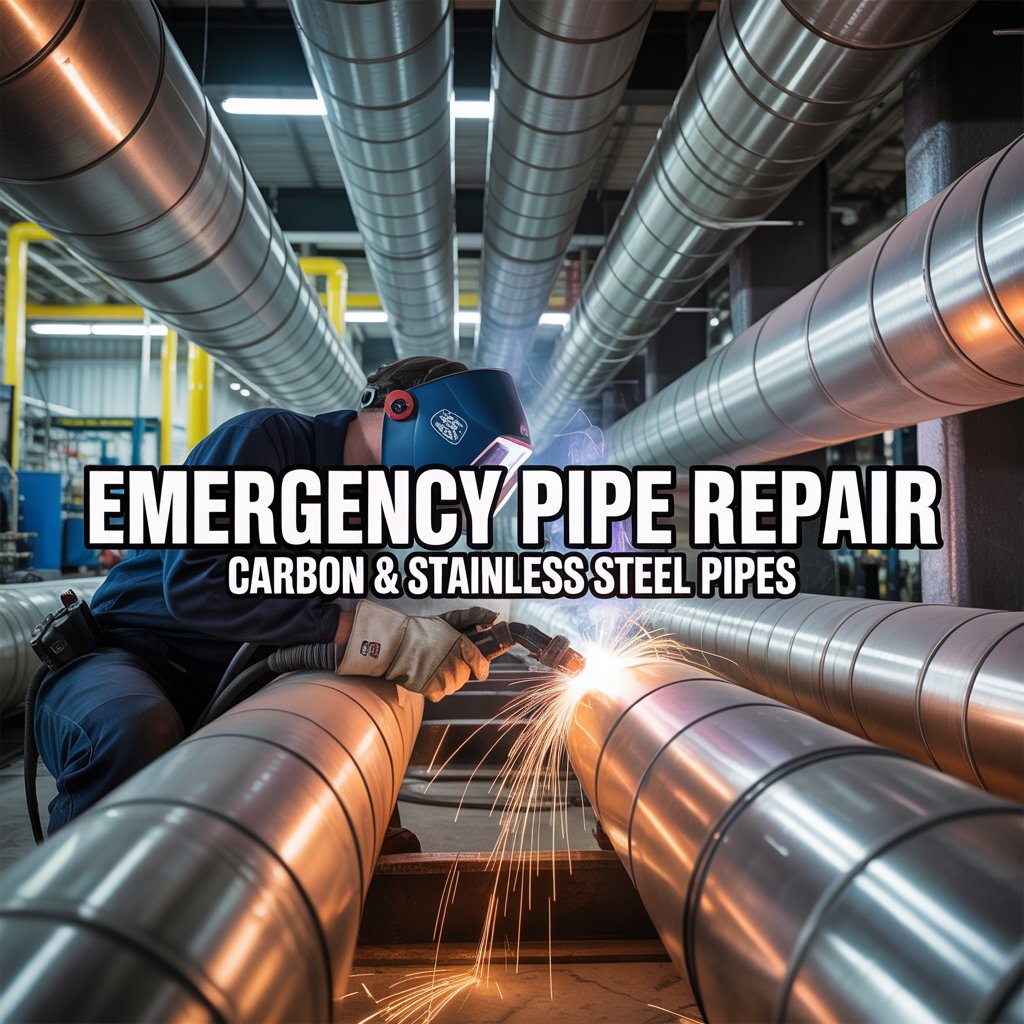
Unexpected pipe failures can create serious operational problems for homes, commercial buildings, and industrial facilities. From sudden leaks to pressure-related cracks, damaged piping systems can interrupt production, increase repair expenses, and create safety risks. Emergency Pipe Repair services help reduce downtime and restore system performance before the problem becomes worse.
Whether dealing with industrial pipelines, commercial plumbing systems, or manufacturing units, fast and effective repair methods are essential. Carbon steel and stainless steel pipes are widely used across industries because of their durability and strength, but both materials still require immediate attention when emergencies occur.
Understanding the right repair solutions can help businesses and property owners respond quickly while minimizing long-term damage and operational losses.
What Causes Pipe Emergencies?
Piping systems operate under constant pressure, temperature changes, and environmental exposure. Over time, these conditions can weaken the structure of the pipe and lead to sudden failures.
Corrosion and Rust
Carbon steel pipes are strong and cost-effective, but they are vulnerable to corrosion when exposed to moisture, chemicals, or harsh industrial environments.
High Pressure
Pressure fluctuations can stress pipelines and eventually create cracks, leaks, or burst sections.
Temperature Variations
Extreme heat or cold causes pipes to expand and contract repeatedly, weakening joints and welded areas.
Poor Maintenance
Ignoring small leaks or corrosion spots often results in larger emergency failures later.
Mechanical Damage
Construction activities, heavy equipment, or accidental impacts may damage exposed piping systems.
When these problems occur unexpectedly, immediate Emergency Pipe Repair becomes critical for maintaining safety and productivity.
Quick Emergency Repair Methods for Carbon Steel Pipes
Carbon steel piping systems are commonly used in industrial plants, oil and gas facilities, manufacturing units, and commercial buildings. Because these systems often carry pressurized fluids or gases, rapid repair solutions are necessary during emergencies.
Pipe Clamps
Pipe clamps are one of the fastest temporary repair solutions available. These clamps seal leaks quickly and help control fluid loss until permanent repairs are completed.
Pipe clamps are effective for:
- Small cracks
- Pinhole leaks
- Joint failures
- Moderate-pressure systems
Repair Sleeves
Steel repair sleeves reinforce damaged sections and restore pipeline strength without replacing the entire system.
Cold Welding Compounds
Cold welding products help seal minor leaks when traditional welding cannot be performed immediately. These compounds are commonly used during urgent shutdown prevention.
Sectional Pipe Replacement
If damage is severe, technicians may isolate and replace only the affected pipe section to restore operations quickly.
Many industries rely on Carbon Steel Pipe Emergency Repair Solutions to reduce operational downtime and avoid costly shutdowns.
Emergency Repair Solutions for Stainless Steel Pipes
Stainless steel pipes are known for excellent corrosion resistance and long-term durability. They are commonly used in food processing, marine industries, chemical plants, and healthcare facilities.
However, stainless steel systems can still experience:
- Stress cracking
- Weld failures
- Corrosion damage
- Pressure leaks
TIG Welding Repairs
TIG welding is widely used for stainless steel pipe repairs because it creates clean, durable welds while maintaining corrosion resistance.
Mechanical Couplings
Mechanical couplings provide a fast method for joining or bypassing damaged sections without extensive downtime.
Leak Sealants
Industrial-grade sealants temporarily stop leaks and help stabilize the system until permanent repairs are performed.
Pipe Fabrication and Replacement
When damage becomes extensive, replacing the affected section with newly fabricated stainless steel piping is often the safest long-term solution.
Today, businesses frequently search for reliable Stainless Steel Pipe Leak Repair Services Near You to maintain operational continuity and safety compliance.
Temporary Repairs vs Permanent Repairs
Understanding the difference between temporary and permanent solutions is important during emergency situations.
Temporary Repairs
Temporary repairs focus on immediate damage control and system stabilization.
Common temporary methods include:
- Pipe wraps
- Clamps
- Sealants
- Repair sleeves
These solutions help prevent operational shutdowns while technicians prepare for long-term repairs.
Permanent Repairs
Permanent repairs address the root cause of the problem and improve overall system reliability.
Permanent solutions may involve:
- Pipe replacement
- Professional welding
- Corrosion treatment
- System upgrades
Combining fast emergency response with proper long-term maintenance delivers better operational performance.
Why Professional Emergency Pipe Repair Services Matter
Emergency repairs require more than quick fixes. Professional repair teams provide technical expertise, specialized equipment, and safety-focused solutions.
Fast Problem Identification
Experienced technicians quickly locate the exact source of leaks or pressure failures.
Reduced Downtime
Rapid repair solutions help industries resume operations faster and minimize financial losses.
Improved Safety
Professional services ensure repairs follow industry safety standards and engineering guidelines.
Long-Term System Protection
Experts often recommend preventive measures that reduce future emergency risks.
Companies using professional Emergency Pipe Repair services usually experience lower maintenance costs and improved equipment lifespan.
Preventive Maintenance Tips for Pipe Systems
Although emergency repairs are sometimes unavoidable, preventive maintenance significantly reduces the risk of sudden failures.
Schedule Regular Inspections
Routine inspections help identify weak areas before serious damage occurs.
Monitor Corrosion
Checking for rust, chemical damage, or moisture exposure is essential for carbon steel systems.
Maintain Stable Pressure
Pressure monitoring helps prevent stress-related pipe failures.
Apply Protective Coatings
Protective coatings improve durability and extend pipe lifespan.
Train Maintenance Teams
Well-trained staff can identify early warning signs and respond quickly during emergencies.
Industries using demanding piping systems often depend on Carbon Steel Pipe Emergency Repair Solutions as part of broader maintenance planning.
Industries That Frequently Need Emergency Pipe Repair
Several industries depend heavily on reliable piping infrastructure.
Oil and Gas
High-pressure pipelines transport hazardous materials and require immediate repair during failures.
Manufacturing Facilities
Production systems rely on steam, compressed air, and liquid transport pipelines.
Marine and Offshore
Saltwater environments increase corrosion risks for metal pipes.
Commercial Buildings
HVAC systems, water lines, and plumbing systems require continuous operation.
Food Processing Plants
Stainless steel piping supports hygienic fluid transport and sanitation compliance.
Because of these operational demands, many businesses actively search for trusted Stainless Steel Pipe Leak Repair Services Near You to maintain uninterrupted performance.
How to Choose the Right Pipe Repair Partner
Choosing the right repair company is essential during emergencies. Look for providers that offer:
- Industrial repair experience
- Certified technicians
- Fast emergency response
- Advanced repair equipment
- Preventive maintenance support
- Strong safety standards
Reliable repair partners help businesses avoid extended downtime and costly operational disruptions.
Conclusion
Emergency Pipe Repair plays a critical role in protecting industrial systems, commercial properties, and infrastructure from major operational failures. Fast action and proper repair methods can prevent small leaks from developing into serious structural or financial problems.
Carbon steel and stainless steel piping systems each require specialized repair approaches based on the material, pressure conditions, and damage severity. Temporary repair methods provide immediate stabilization, while permanent solutions improve long-term system reliability and safety.
Businesses that invest in preventive maintenance, regular inspections, and professional repair services are better prepared to handle unexpected pipe emergencies efficiently.